Blog

  • Milltown Fire Safety: Local Information and Home Safety Guides

    Home fire safety planning

    Independent home fire-safety guidance for Milltown-area households

    This website is an independent publication. It is not the former Milltown Fire Department and is not operated by an emergency service.

    Emergency: Call 911. Leave the building, stay outside, and call from a safe location.

    Current local fire service

    Milltown is now served by Unity Fire Association, formed from the Milltown, Balsam Lake, and Centuria departments effective December 31, 2025.

    • Non-emergency phone: 715-825-2217 (leave a message)
    • Milltown station and mailing address: 129 Eider St, Milltown, WI 54858
    • General email: info@unityfireassn.com

    Verify current details through the Village of Centuria fire department page or the Village of Balsam Lake.

    Build a safer home

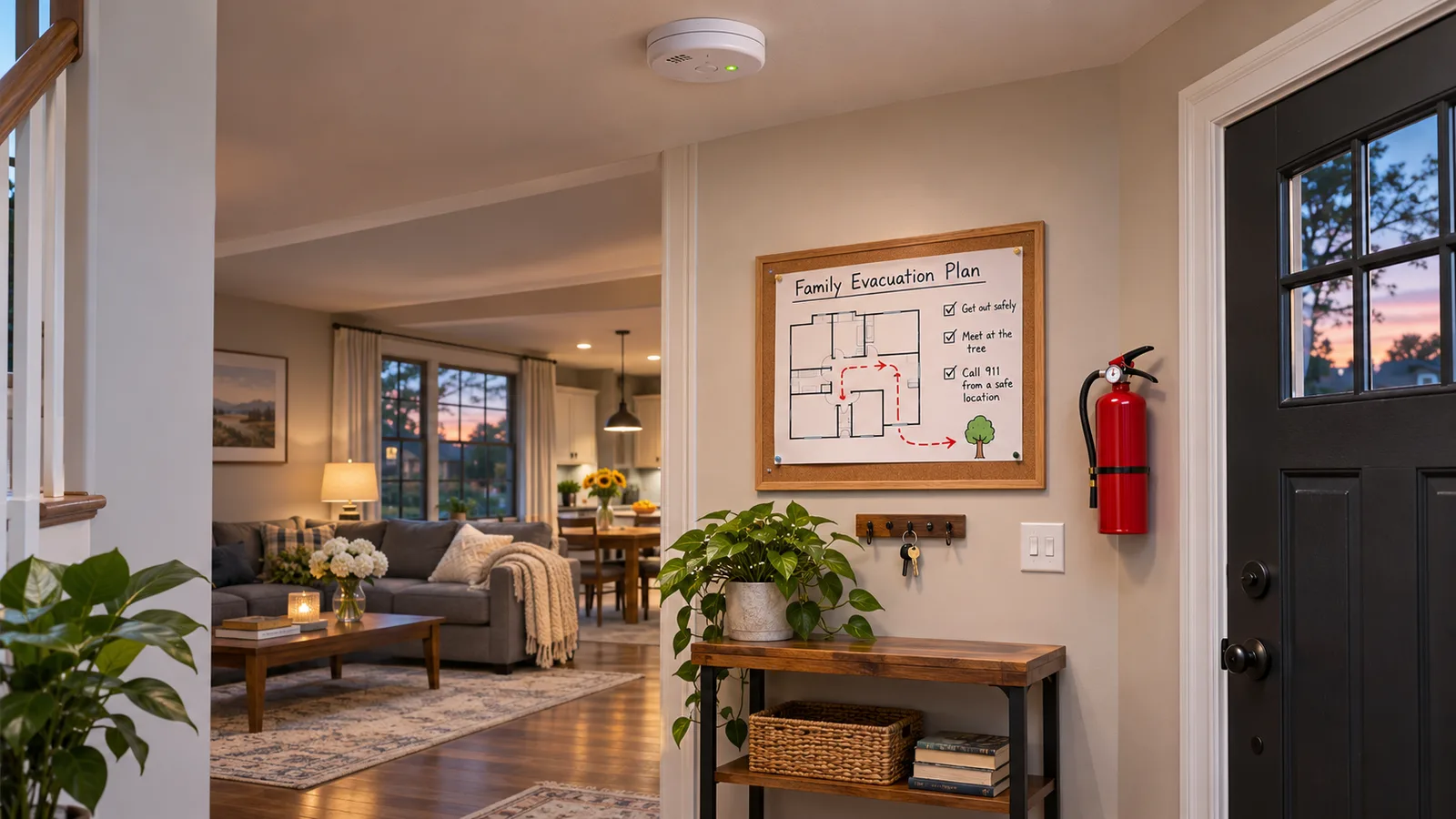
    • Make and practice a home fire escape plan.
    • Install smoke alarms in the right locations and test them regularly.
    • Keep cooking, heating, electrical, and candle risks under control.
    • Make your house number and driveway visible to responders.
  • Where to Keep a Fire Extinguisher at Home

    Where to Keep a Fire Extinguisher at Home

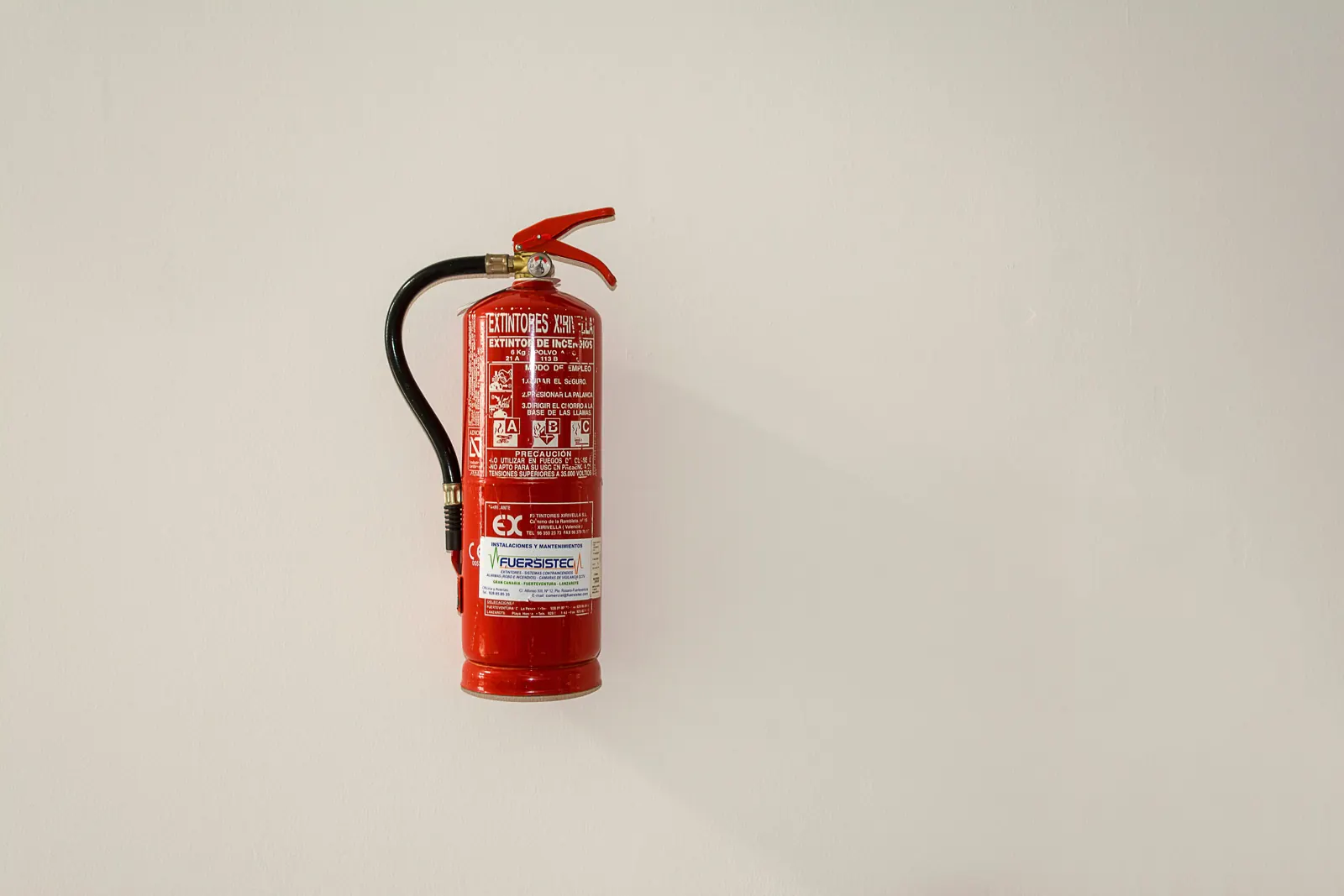
    A home fire extinguisher is useful only when an adult can reach it quickly, recognize the type, and still keep a safe route out of the building. The goal is not to encourage people to fight a growing fire. It is to make suitable equipment accessible for a small, contained fire when escape remains possible.

    Start with the escape route

    The U.S. Fire Administration says an extinguisher should be used only after others have been alerted, the fire department has been called, the fire is small and contained, smoke is not creating danger, and the user has a clear escape route. If any answer is no or uncertain, leave and call 911 from outside.

    Placement should support that rule. Keep the extinguisher where a person can reach it while moving toward an exit, not where a fire could trap the user in a corner. Do not hide it behind stored items, inside a crowded cabinet, or beside the most likely source of flames.

    Kitchen area

    Cooking is a common place to consider an extinguisher, but it should not be mounted directly over or beside the stove. A fire at the appliance could block access. A visible location near the kitchen exit lets an adult approach with an escape route behind them.

    Never put water on a grease fire. The extinguisher must be suitable for the type of fire shown on its label. Many homes use a multipurpose extinguisher labeled A-B-C, but the correct choice depends on the hazards in the home and local guidance.

    Garage, workshop, and utility areas

    Garages and workshops may contain fuel, paint, tools, batteries, and electrical equipment. Choose an extinguisher rated for the expected hazards and keep it near the normal exit rather than deep inside the room. A utility area may need its own accessible extinguisher when it is separated from the main living space.

    Mounting conditions matter. Temperature limits, moisture, dust, and vibration can affect storage. Follow the manufacturer's instructions and do not leave an extinguisher where vehicles or equipment can strike it.

    Bedrooms and upper floors

    An extinguisher does not replace smoke alarms or a practiced escape plan. If a home has multiple levels, consider whether an adult can reach suitable equipment without moving toward the fire or away from an exit. The first priority after a smoke alarm sounds is to leave, account for everyone at the meeting place, and call 911.

    Review the home's fire escape plan and smoke alarm placement together with extinguisher locations.

    Make the equipment visible and usable

    Use the supplied mounting bracket or an approved cabinet. Keep the label facing out and the operating instructions readable. Adults expected to use the device should know where it is and receive practical training when available.

    USFA recommends looking for a UL Listed or ULC Listed label and choosing the largest extinguisher the user can safely and comfortably operate. Local fire departments can often answer questions about selection and training.

    Check it regularly

    Follow the inspection schedule on the label. Check that access remains clear, the gauge shows the recommended pressure when a gauge is present, the pin and seal are intact, and the hose, nozzle, and cylinder are not damaged, dented, or rusted. Replace or service the unit according to the manufacturer's instructions.

    Placement checklist

    • Keep a clear exit behind the user.
    • Do not store the extinguisher beside the most likely fire source.
    • Keep it visible and free of clutter.
    • Match the extinguisher rating to the hazards in that area.
    • Use the approved bracket and observe temperature limits.
    • Include every location in household fire drills.
    • Leave immediately if the fire is spreading, smoke is dangerous, or escape is uncertain.

    An extinguisher is a backup tool for a limited situation. Working alarms, early escape, and a call to 911 remain the core home fire-safety plan.

    For a fire or dangerous smoke, leave the building and call 911 from outside. See our Safety Disclaimer.
  • Smoke Alarm Placement: A Room-by-Room Guide

    Smoke Alarm Placement: A Room-by-Room Guide

    Smoke alarms provide the warning that makes an escape plan possible. The U.S. Fire Administration recommends alarms on every level, inside each bedroom, and outside every separate sleeping area.

    Bedrooms and sleeping areas

    Place an alarm inside every bedroom and another in the hallway outside. If sleeping rooms are separated into different parts of the house, each area needs nearby coverage. Closed doors can delay smoke reaching a hallway alarm.

    Every level, including basements

    Install at least one alarm on each level. In a basement, place it near the stairs leading upward and follow the manufacturer’s mounting instructions. Larger floors or closed-off rooms may need extra alarms.

    Kitchens and bathrooms

    An alarm should be close enough to protect the area without sitting where normal steam causes repeated nuisance alarms. Follow the maker’s distance guidance. Never disable an alarm because it sounds during cooking.

    Interconnect when possible

    Interconnected alarms all sound when one detects smoke, giving people on another floor more warning. Use compatible products and follow local requirements.

    Test and replace

    Press the test button monthly. Replace batteries when required and replace the entire alarm according to its date, commonly after ten years. People who are deaf or hard of hearing may need strobes, vibrating pads, or another compatible alert system.

    Keep exits clear, practice the escape plan, and treat every alarm as a reason to leave and call 911 from outside.

    Extinguishers do not replace alarms or a practiced escape plan. If you keep one at home, see our extinguisher placement guide for accessible storage and the limits of safe use.

  • How to Make a Home Fire Escape Plan

    How to Make a Home Fire Escape Plan

    Family home fire escape planning

    A home fire escape plan turns a stressful emergency into actions your household has already practiced. The U.S. Fire Administration warns that residents may have less than two minutes to escape after a smoke alarm sounds.

    Draw the home and mark two ways out

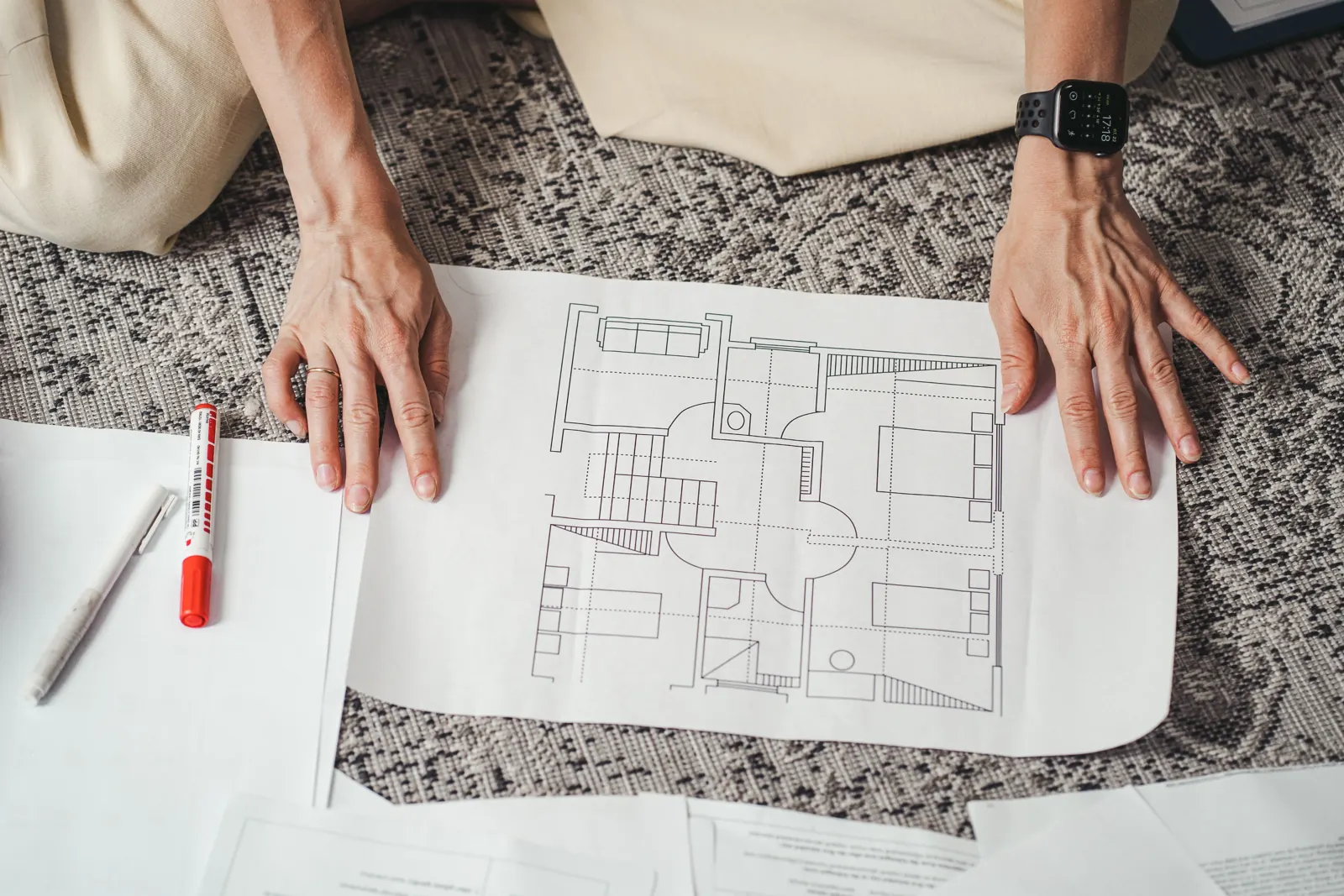
    Sketch each floor and mark doors, windows, stairs, and smoke alarms. Identify two possible exits from every bedroom and living area. Never depend on a window that is painted shut or an exit blocked by furniture or security hardware.

    Pick one meeting place

    Choose a visible location a safe distance in front of the home, such as a specific mailbox or neighbor’s driveway. Everyone should go to that same place so nobody re-enters looking for someone who is already safe.

    Assign help before it is needed

    Plan for children, older adults, visitors, pets, and anyone with mobility, hearing, or vision limitations. Assign a primary helper and a backup. The NFPA escape-planning guide also recommends making the house number clearly visible from the road.

    Practice twice a year

    Run a drill during the day and another when lights are low. Practice moving to the safest exit, closing doors behind you, meeting outside, and accounting for everyone.

    Once outside, stay outside

    Call 911 from a safe location and tell the dispatcher if anyone may still be inside. Do not go back for people, pets, medicine, or valuables. Review the plan whenever the household or room layout changes.

    A fire extinguisher may be part of household preparation, but it must never delay escape. Our home extinguisher placement guide begins with keeping a clear way out.